
Travelers of 2026 are rewriting the rules of when and why we travel. The new year brings significant shifts to the global travel landscape: from the choice of destinations and modes of transportation to the design of experiences and the integration of technology. The way we travel is changing, and AI is becoming a constant companion along the journey. Travelers are no longer seeking simple “holidays” or superficial escapes, but meaningful experiences and more personalized trips. A trend confirmed by major international studies. As a result, we see a remarkable shift in their needs, expectations, and decision‑making.
The profile of the 2026 traveler is shaped by new, more conscious priorities. This is a traveler who:
Takes slower, more intentional trips
Sees travel as a form of personal expression
Travels for the experience, not for show
Seeks authenticity, quality, and a sense of meaning
Chooses smaller cities and new, hidden destinations
Finally, they use AI as a helpful tool, yet still crave the human connection that makes every journey truly unique.
1.Wellness tourism is emerging as one of the most dynamic trends of our time, as travel is increasingly combined with personal care and a deeper need for balance. In a world filled with tension, people seek restoration, calm, and emotional resilience. The wellness tourism industry , which includes travel aimed at preventing, maintaining, or improving physical and mental health — is growing at an impressive pace. By 2030, the global market is expected to reach 2 trillion dollars. In Greece, wellness tourism already generates around 3 billion euros annually, yet projections show it could surpass 10 billion within the next three years. An opportunity that could transform Greek tourism into one of the strongest players in the global wellness market.
2.At the same time, narrative-driven travel is gaining ground, with destinations now serving as backdrops for stories and immersive experiences. Trips inspired by cinema or literature — the timeless companion of travelers — increasingly influence destination choices, as people seek the emotion and atmosphere they have loved on screen or in the pages of a book. Holidays are transforming into immersive journeys through landscapes that feel almost fairy‑tale‑like: enchanted castles, mystical forests, and evocative pathways.
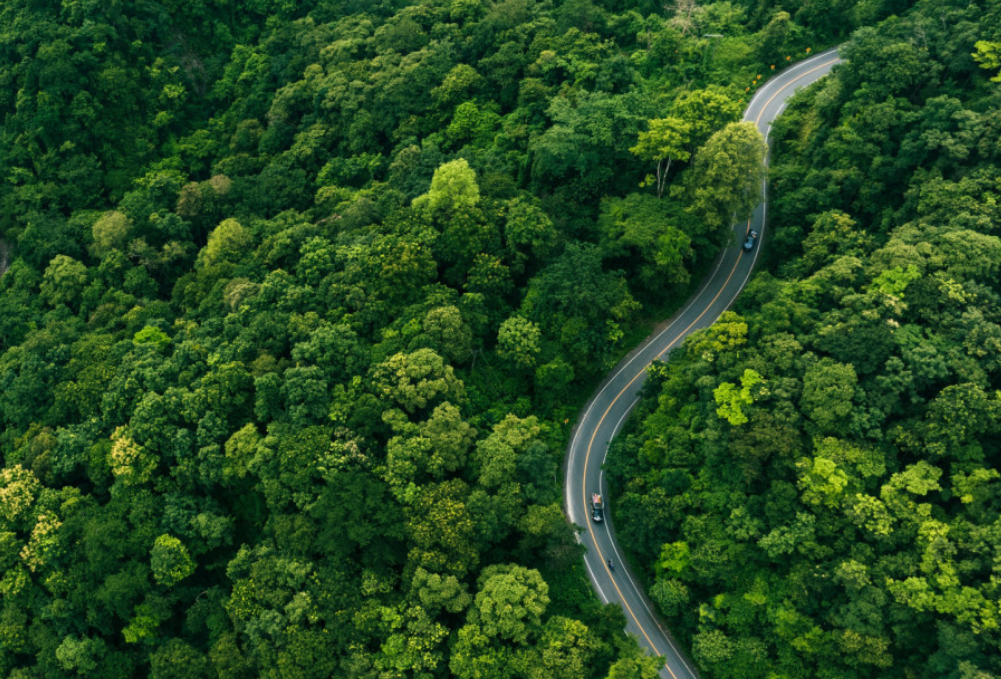
3. Roadtrip: Travel with an unlimited sense of freedom The classic road trip is making a strong comeback in 2026, transformed into a more spontaneous and collective experience where discovery and new connections take center stage. Travel is no longer just about the route itself, but about the connection, the stories shared among travelers, and the moments that unfold between people who share the same spirit of adventure. It is the freedom of the open road, the joy of the unexpected, and the magic of surrendering to whatever awaits around the next bend.
4. Slow travel: Quiet activities for deep relaxation In contrast to the old mindset of “the more you see, the better,” a new travel philosophy is emerging: slow travel — a journey at a gentler pace, focused on connecting with a place rather than consuming it superficially. In 2026, travelers are turning toward calmer and more meaningful rhythms, seeking silence, decompression, and the soothing tranquility of nature to restore their inner balance. Sleep is becoming equally central, with 75% choosing rooms designed to align with the circadian rhythm, offering deeper and more restorative rest.
5. Selective luxury Modern luxury hasn’t disappeared — it has simply evolved and transformed. It is becoming more selective, more meaningful, more “intelligent.” Today’s travelers are no longer seeking excess; instead, they invest in upgrades that offer genuine value. The new face of luxury is shaped through personalized services, high‑end gastronomy, boutique experiences, and five‑star stays that justify every moment. It is a form of luxury that isn’t flaunted. It’s simply lived.
6. Of course, AI is transforming travel. The use of AI has now become part of everyday life: six out of ten travelers have already used tools such as ChatGPT, Gemini, Copilot, or other AI platforms to plan their holidays. Artificial intelligence is no longer just a helpful assistant — it has become a central factor shaping the entire travel experience. Studies show that in 2025 nearly half of all travelers use AI to organize itineraries, translate languages, or discover new destinations. And in 2026, this usage is expected to grow even further, fundamentally reshaping the way we travel.
Jenny Southan, in her talk at Greece Talks, closed with a phrase that captures the entire philosophy of modern travel: “The most powerful journeys today are not about luxury, but about transformation. Visitors don’t just want to escape. They want to grow, to recharge, to return changed. For brands, this means designing experiences that don’t just impress — they transform.”
A reminder that the future of tourism lies not in display, but in the deep, personal change that a journey can inspire.
The Greek tourism sector stands before a rare opportunity. In this new global landscape, Greece stands out not only for its light and its sky, but for the authenticity and emotion it offers so generously. The year 2026 could be the moment when the country repositions itself internationally — not as just another mass summer destination, but as a year‑round life experience. A Greece you don’t simply visit, but truly live.
Source: www.thecoconutpr.com